
Time Inc began running ads inside markdown versions of its pages, formatted so AI crawlers and chatbots read them instead of humans. Jeff Eisenfeld, director of activation at Media by Mother, told Digiday it was worth a test if the ads actually showed up inside the large language models. Danny Weisman, co-founder of Obsessed Media, called the same idea a magical thing that would apparently influence not only AI systems but real people too, and he did not mean that as a compliment. Two people who buy media for a living looked at the same product and reached opposite conclusions. That split is a more honest snapshot of where GEO measurement stands than any vendor pitch deck.
What buyers are actually saying
Sam Huston, svp of media at Dept, said there is not a client who would say no to testing AI visibility ads, given how disruptive GEO has already been to some businesses. But Stephan Kopp, managing director of Mediaplus Performance, argued the opposite: you can try to influence a large language model with paid content, he said, but it will not happen, and it is only a matter of time before AI developers tune their systems to ignore the workaround, the same way Google has repeatedly rewritten its search algorithm to close loopholes. A WARC study cited in the same reporting estimated that 63% of a brand’s visibility in AI answers comes from long-term brand equity, and only 26% from current marketing activity. If that number holds up, most of what a GEO vendor is selling you is a way to move a small slice of a much bigger picture.
The tools are shipping faster than the proof
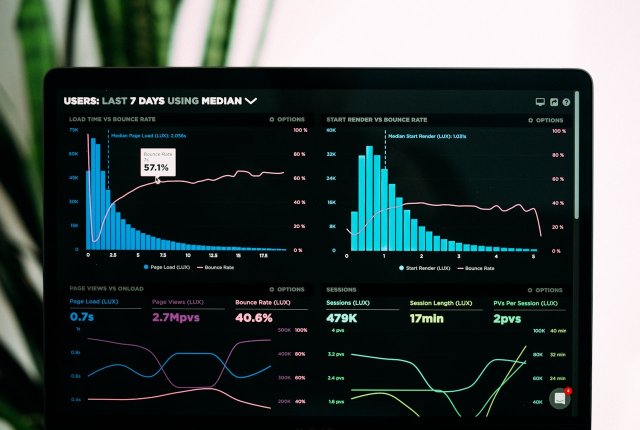
None of that skepticism is slowing the vendor side down. Onclusive launched GEO Analytics in the US this week, tracking how brands appear across five AI engines, Gemini, ChatGPT, Grok, Claude, and Perplexity, and scoring which sources most influence what those engines say. It joins a growing list that includes Scrunch and Profound, all promising a dashboard where a founder or marketing lead used to have a spreadsheet and a lot of manual searching. The pitch is reasonable. The open question, the one none of these tools can fully answer yet, is whether what they are measuring actually predicts anything about revenue.
What you can check before paying anyone
A two-person marketing team at a regional B2B services company does not need a subscription to start. Pick the ten questions a prospect would plausibly type into ChatGPT, Claude, or Perplexity before hiring a company like yours, run them once a week by hand, and log which brands get named. Do the same for your closest three competitors. After four weeks you will know, without paying for a platform, whether your brand shows up at all and whether that changes week to week. That log is also the only way to sanity check a vendor’s dashboard later, because you will already know what the honest numbers look like.
When the paid version is worth it, and when it is not
A GEO tool earns its cost once you are tracking more brand and competitor combinations than a person can reasonably check by hand, or once someone above you wants a number to report every month regardless of what it means. This probably is not worth paying for if your marketing budget is still in four figures a month and you have not run the manual version for at least a month first. The risk is buying a dashboard before you know what question you are trying to answer with it, and then mistaking a rising citation count for a rising number of customers. Those are not the same thing, and nobody selling the dashboard is incentivized to remind you of that.
Editor’s note: This area changes quickly, so check the latest platform policy before making decisions based on AI visibility data.
If you already run Microsoft’s free topic-level AI visibility data, start there before you evaluate a paid tool. It will not give you the polish of a GEO Analytics dashboard, but it is free, and free is the right price for a category this unproven.